Bugeater 2026 wrapped up over the weekend. What were the results? Did we get more clarity on the meta? Let’s see . . .
The final podium was a diverse one:
- Andy Patton — Salamanders
- Sean Troy — Ratkin
- Cyle Pool — Goblins
- John Green — Xirkaali
- Matt Carmack — Ratkin
You can see the full results and download the army lists on TabletopScore.
(One quick note before diving in: the rankings used in this article are based on my Elo methodology rather than the official battle point standings. I’ve used this approach consistently for several years because it provides a better comparison of performance across events and strength of schedule. That means some placements may differ from the official tournament results. For example, Sean Troy was the official Bugeater Battle Champion based on battle points, even though he did not finish first in my Elo-based rankings.)
At first glance, there is no obvious story. Five different factions filled the top six spots. The winning Salamanders list looked very different from the Ratkin lists behind it. Goblins reached the podium with a 20-unit army. Xirkaali took fourth with a much smaller and more concentrated list. But when you compare the top half of the field with the bottom half, a clear pattern appears: the lists that won brought more army to the table.
The Top Half Had More Board Presence
The strongest dividing line at Bugeater was not raw damage output but the ability to contest the board with scoring units, Unit Strength, nerve, and attacks.
| Metric | Top Half | Bottom Half | Difference |
|---|---|---|---|
| Unit Strength | 28.7 | 24.6 | +16% |
| Total Units | 14.4 | 13.4 | +7% |
| Nerve Pool | 226.3 | 212.2 | +7% |
| Total Attacks | 182.5 | 165.1 | +11% |
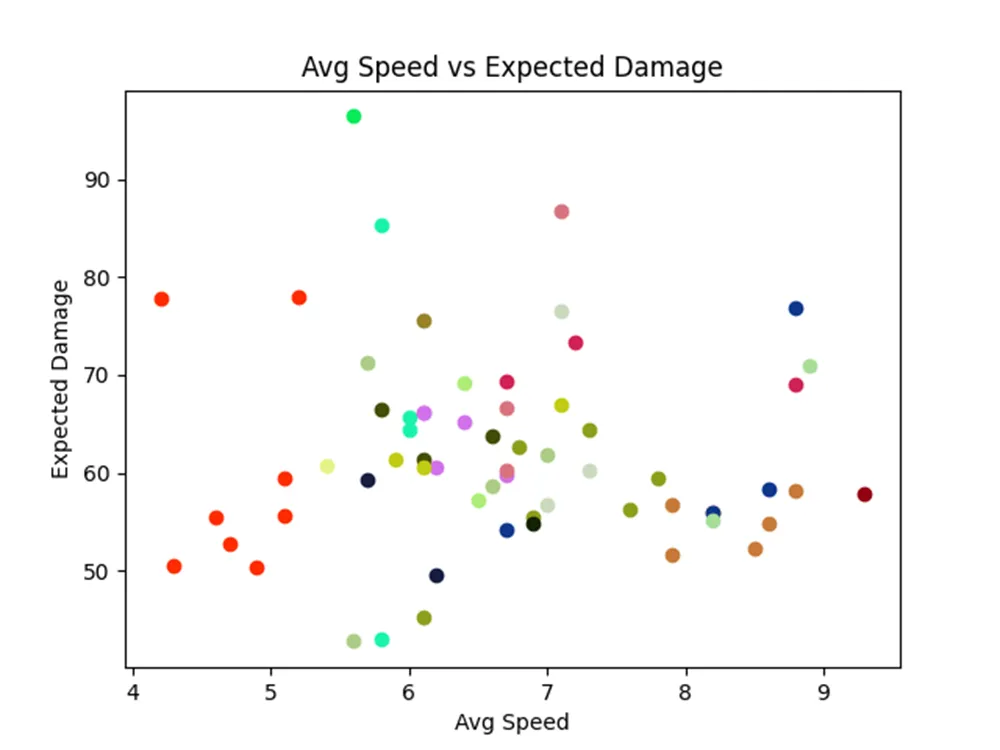
| Expected Damage | 71.2 | 69.5 | +2% |
| Ranged Attacks | 20.6 | 22.5 | -9% |
| Specialist Units | 2.0 | 2.9 | -31% |
The top-performing lists did not necessarily hit harder in a single turn. Expected damage was almost identical across the two groups. The bottom half actually brought slightly more ranged attacks. The difference was depth. The better lists had more Unit Strength, more nerve, and more attacks spread across the army. They were better equipped to trade pieces, survive mistakes, and keep scoring after the first major clash.
The specialist-unit gap is also interesting. The bottom half averaged nearly one additional Specialist unit per list. That does not mean Specialist choices are bad. It suggests there may be a cost to buying too many narrow tools instead of adding another useful scoring piece.
Ratkin Remain the Matchup to Solve
Ratkin reinforced the same lesson. The three Ratkin players finished a combined 10-4-1, good for a 70% win rate. Sean Troy finished second. Matt Carmack finished fifth. The average Ratkin list brought:
- 43.7 Unit Strength
- 267.7 nerve
- 267.3 attacks
- 15.3 scoring units
Those numbers are far above the field averages. I have written before about whether Ratkin are too dominant in early 4th Edition. Bugeater does not settle that question by itself, but it does not ease the concern either. Ratkin are difficult to solve because they do not rely on one gimmick. They bring pressure, scoring strength, bodies, and combat volume at the same time. Even when they do not win the tournament, they force everyone else to build with the matchup in mind.
Orcs Showed Up Again
Orcs were the most popular faction at Bugeater, with six of the 40 submitted lists. That follows the same pattern we saw at Adepticon. Players look at the expanded roster, strong Core options, and command orders and see an army with obvious potential. The results were respectable:
- 16 wins, 12 losses, and 2 draws
- 56.7% win rate
- Four Orc players finished in the top 15
- Stephen DeRose led the faction with a 10th-place finish
But Orcs still did not dominate the top tables. That is consistent with my recent Orc army review and my Adepticon recap. Orcs look powerful on paper. The trap is assuming that means you should load up on premium pieces. Their best lists may be the ones that stay disciplined: cheap control, durable infantry, repeated mid-cost threats, and enough bodies to keep playing the scenario. Bugeater was a better Orc showing than Adepticon. It still was not an Orc takeover. Notwithstanding the fine folks at Bane Chat thinking the Orcs’ Green Rage is overpowered, I still see no evidence that Orcs are dominating anything.
The Winning Salamanders List Is a Useful Reminder
Andy Patton won the event with Salamanders, finishing 4-0-1. His list did not lead the field in expected damage. In fact, its expected damage score of 59.2 was well below the tournament average. But it brought 33 Unit Strength, 15 scoring units, and 231 nerve.
That is a useful reminder. A tournament-winning list does not need to maximize every offensive metric. It needs enough tools to win games across different scenarios and matchups. The Salamanders list had enough staying power and board presence to do that.
The Main Lesson
Bugeater did not produce one dominant list archetype. The podium was too diverse for that. But the broader lesson is simple: Do not confuse theoretical damage output with tournament strength. The lists that performed best at Bugeater generally had more Unit Strength, more nerve, and more attacks spread across the army. They could contest more space, absorb more pressure, and keep scoring deeper into the game. As 4th Edition continues to develop, that is the question I would ask when reviewing a list: After the first major exchange, how much army do I still have left on the table?
Additional Resources
*And, of course, a disclaimer: I didn’t attend the tournament, I just followed it online. I’m also relatively lazy and sloppy with my analysis and research, so the inevitable errors and omissions are my own and unlikely to change in the future.