A quick note before we dive in
With the transition to Kings of War 4th Edition, I’ve been quietly rewriting a lot of the parsing and analysis logic behind the scenes at Data & Dice. Keyword definitions shifted, unit profiles changed, and several long‑standing assumptions from 3rd Edition no longer hold.
Between that work and the day job, the rebuild has taken longer than I expected. So rather than wait for everything to be perfect, I’m using Clash of Kings Australia 2026 as a trial run for the new 4E analysis pipeline. Think of this as a live-fire test: real data, real games, and a first look at what the numbers are telling us under the new edition. And much thanks to the Direct Misfire podcast for their content and support around this event.
With that out of the way, let’s get into the results.
Clash of Kings Australia 2026 gives us one of the clearer early snapshots of how Kings of War 4th Edition is shaping up in competitive play. With solid attendance, a wide spread of factions, and six full rounds, this event offers real signal rather than early‑edition noise. If you just want the data, here are the pre and post-tournament reports. Note that I’m still ironing out bugs (including the count of Aux units), so let me know if anything else looks wonky and I can fix it.
Below are the five biggest storylines that emerged once the dust settled.
1. Forces of Nature Were the Standout Performers
Forces of Nature posted the highest win rate of the event at just over 70%, along with the strongest positive performance delta versus expectation. While the faction wasn’t heavily represented, the players who brought it consistently converted games into wins.
This wasn’t a case of spiking good matchups. Forces of Nature lists showed strong fundamentals: durable cores, layered threats, and the ability to trade efficiently without relying on fragile combos. That combination translated into reliable results across multiple rounds.
For a faction that has often lived in the “solid but unexciting” tier, this performance pushes Forces of Nature firmly into serious competitive consideration for early 4E events.
2. Halflings Continue to Win the Slow Way
Halflings finished the event with a 66% win rate, but the more interesting number is the draw count. Four draws across twelve games suggests a faction that excels at controlling outcomes, even when it isn’t blowing opponents off the table.
This aligns with what we’ve seen elsewhere in 4E:
- High nerve and resilience through iron resolve/spellward
- Strong board control
- The ability to deny clean charges and favorable trades
Halflings don’t always dominate on damage output, but they consistently avoid catastrophic losses and capitalize on scenario play. In a tournament format, that reliability adds up.
3. Orcs Fit the Current Meta Perfectly
Orcs matched Halflings with a 66% win rate, and they did it in a very different way. Crushing strength, straightforward threat projection, and forgiving positioning requirements make Orcs exceptionally well suited to a meta that rewards early pressure and decisive trades.
What stood out most was how consistently Orc armies converted momentum into wins. Once they established a tempo advantage, they rarely let it slip.
For players who prefer proactive game plans and aren’t interested in over‑engineered combos, Orcs appear to be one of the safest and most effective choices in 4th Edition.
4. Empire of Dust Had a Rough Weekend
As should surprise no one who watched Master Sight’s army tier rankings, Empire of Dust posted the lowest win rate in the field, alongside the largest negative performance delta versus expectation. That combination is difficult to ignore.
On paper, many Empire of Dust lists looked reasonable. On the table, they struggled to keep pace with faster and harder‑hitting armies. Once key pieces were lost, recovery options appeared limited, especially against opponents able to apply pressure early.
This doesn’t mean the faction is unplayable, but it does suggest that older grind‑oriented builds may not be lining up well into the emerging 4E meta. Expect to see meaningful list evolution here as players adapt.
5. Night Stalkers Were Popular, but Didn’t Convert
Night Stalkers were the second most-played faction at the event, behind Dwarves, yet finished with a sub‑40% win rate. When a faction is both popular and underperforming, it usually points to execution challenges rather than a lack of raw tools.
Possible factors include:
- High skill and positioning demands
- Fragile unit packages punished by aggressive opponents
- Lists leaning too heavily into tricks instead of redundancy
Historically, this is often the phase where strong factions look weak before players fully solve the puzzle. Night Stalkers may still have the ceiling — but the floor is clearly unforgiving right now.
What This Event Tells Us About 4th Edition
Clash of Kings Australia 2026 reinforces a few early themes for Kings of War 4E:
- Proactive play is rewarded
- Layered threats outperform single big hammers
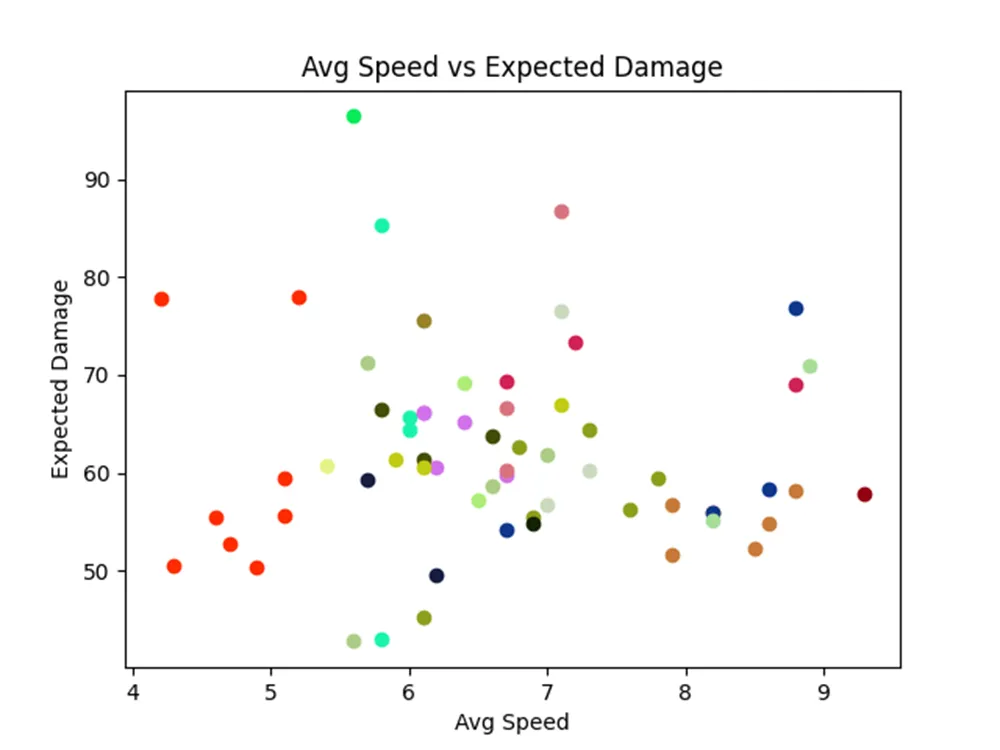
- Mobility and engagement control matter more than static efficiency
Perhaps most importantly, no faction looked untouchable. Upsets were common, top players dropped games, and standings remained volatile throughout the weekend.
For a first trial run of the new 4E analysis pipeline, that’s a healthy sign. The meta is still moving, players are still learning, and the data is already telling us interesting — and sometimes uncomfortable — stories.
More to come.